
Advocacy
SEA’s advocacy work focuses on the places, issues, and decisions that shape natural resources and community wellbeing in the North State.
The decisions made today influence the future of the places we depend on. SEA works to ensure environmental impacts are considered, conservation goals are represented, and communities have a voice in decisions that affect the region.
We advocate for policies and protections that reduce pollution, conserve important lands, safeguard waterways, and support responsible management of natural resources. This work includes reviewing proposals, engaging in public processes, and providing information that helps the community understand how decisions may affect the places they value.
SEA also promotes accountability by monitoring the actions of businesses and government agencies, reviewing whether environmental protections are being followed, and challenging decisions that do not meet conservation goals.
This page brings together current updates, ongoing projects, and key issues in one place so the community can stay informed, understand what is happening, and see where attention or action may be needed.
Active Focus Areas & Project Pages
Click a project below to view its permanent tracking hub, maps, and core documents.
Raising Shasta Dam

The U.S. Bureau of Reclamation has proposed an 18.5-foot raise of the Shasta Dam. While framed as a solution to increase water storage, an objective look at the data reveals that the minor gains come at a devastating cost to local communities, the environment, and the regional economy.
City of Redding Tree Ordinance

Redding is known for its natural beauty, but native trees are increasingly at risk. Many residents assume strong protections exist, but current policy is limited. The city operates under a 2006 Tree Management Ordinance with limited enforcement, allowing tree removal through discretionary review during development.
Redding Riverfront Plan
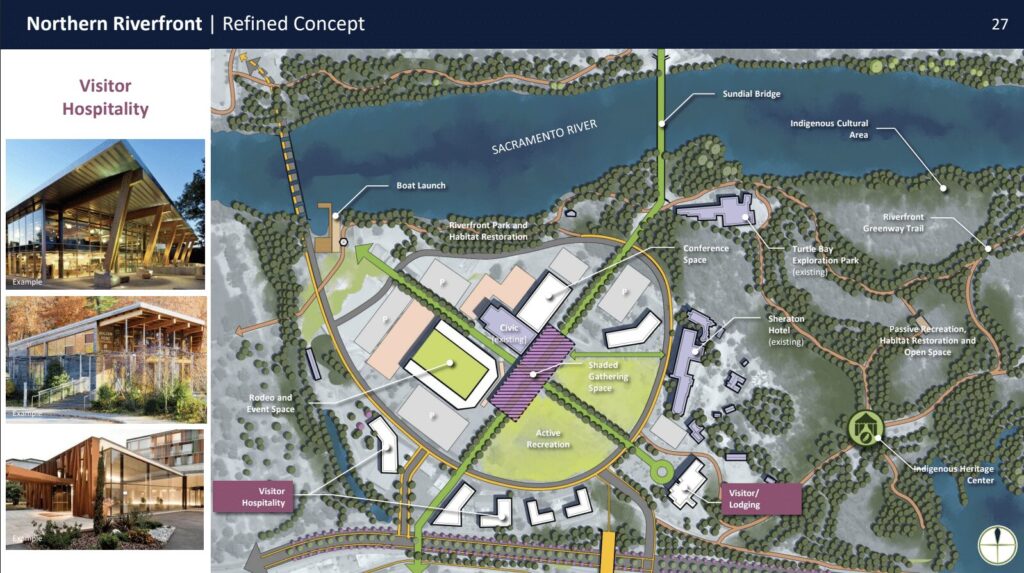
The City of Redding has proposed a 380-acre overhaul of the Sacramento Riverfront. While framed as a solution to increase walkable density, an objective look at the data reveals that the minor gains come at a devastating cost to local communities, the environment, and the regional economy.
Latest News, Updates & Action Alerts
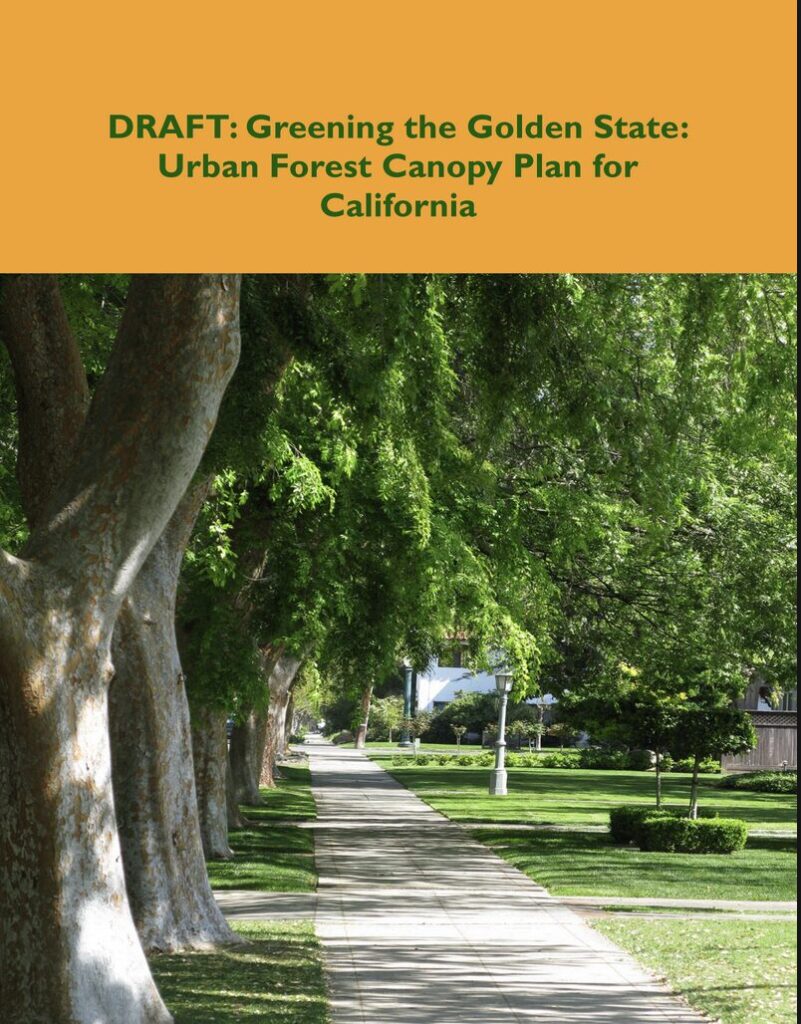
Action Alert: California’s Urban Forest Plan
Cal Fire’s Urban Forest Plan Is Open for Comment. The California Department of Forestry and…
Action Alert: Public Comment on the Redding Riverfront Plan
The City of Redding has started a formal process to decide what will be studied…
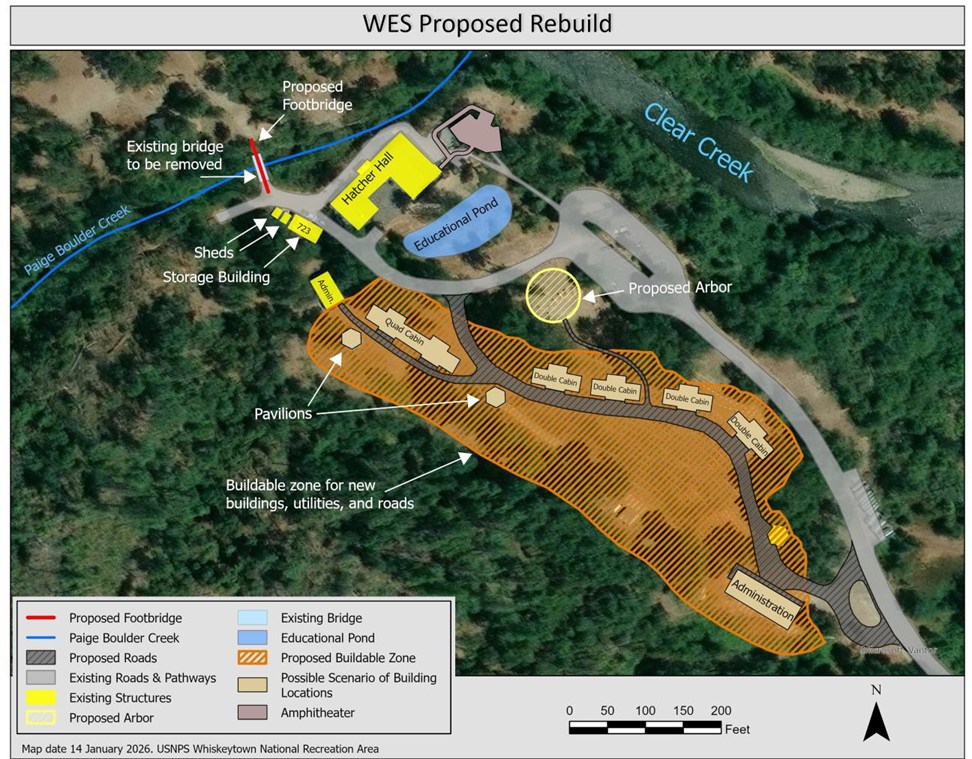
Action Alert: Whiskeytown Environmental School Rebuild
by Holly White-Wolfe (Guest Author) The National Park Service has released the Environmental Assessment (EA)…
Stop the Rollback of Roadless Protections
Action Item: Comments Due by September 19 at 11:59 PM Eastern TimeSubmit your comment today…
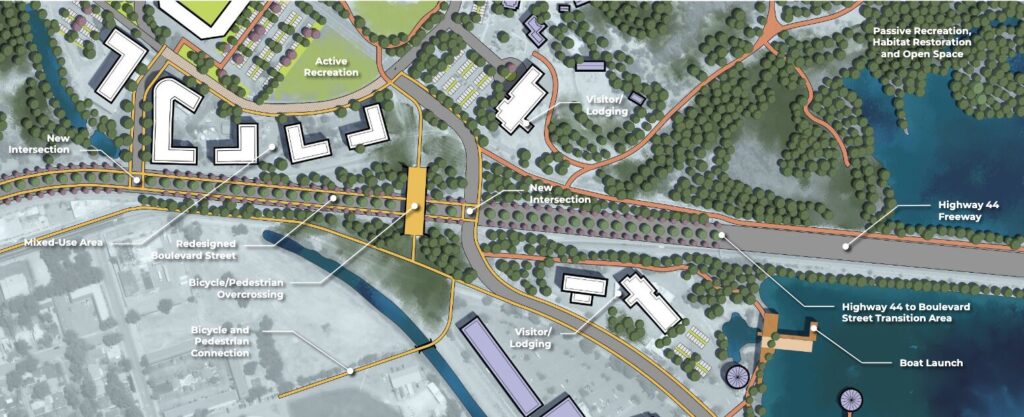
Watershed Moment: The Future of the Redding Riverfront
At the May 20th City Council meeting, Redding advanced the draft Riverfront Specific Plan, moving…
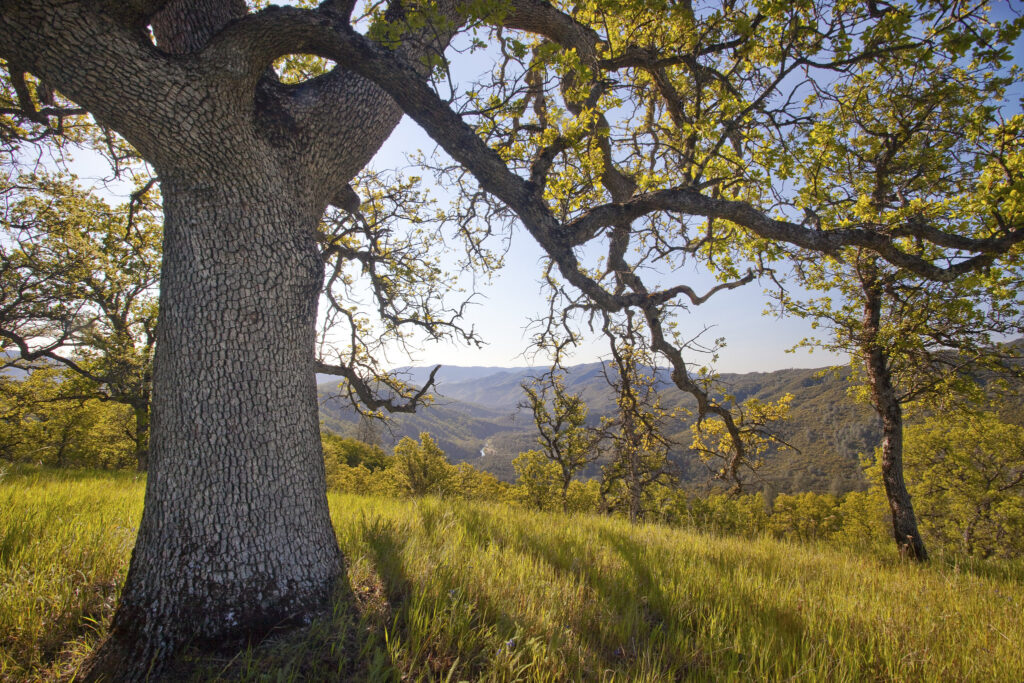
No Shade, No Relief: The Cost of Losing Our Urban Forest
As temperatures climb and Redding faces longer, hotter summers, preserving urban shade should be a…